
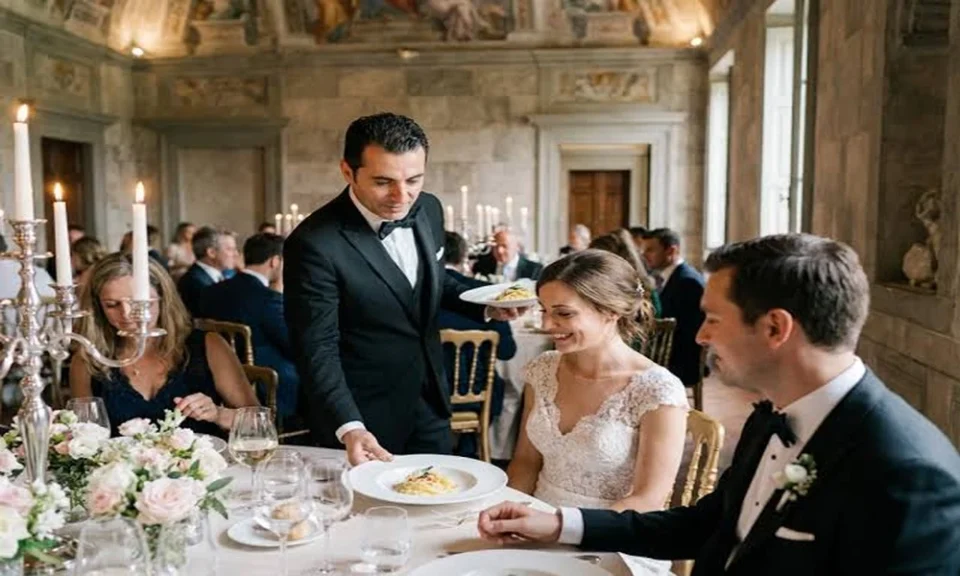
Italian wedding food works best when it reflects place, season, and family taste rather than trying to include every famous dish. A reception in spring can favour young vegetables and herbs, while an autumn celebration can draw on mushrooms, squash, braised meat, and richer sauces. The menu gains identity when each course belongs with the next.
Build the meal around the day
The ceremony time, venue, and style of service should guide the food. A long afternoon reception can support several stages, while an evening party may need a shorter meal that leaves time for music.
Read the schedule before choosing dishes
A professional catering matrimoni plan starts with the timetable. Dishes that need immediate service should appear when delays are least likely. Foods that hold well can cover periods affected by photographs or speeches.
Use the venue as a practical guide
A villa kitchen may have domestic equipment rather than a full restaurant line. Mobile ovens, grills, refrigeration, and preparation stations can close some gaps. The provider should inspect access and utilities before confirming the menu.
Give the aperitivo a clear purpose
The opening food welcomes guests and gives the couple time for photographs. It should offer enough choice without replacing the meal that follows.
Choose small portions with contrast
Mix crisp, creamy, fresh, and savoury bites. Crostini, fried vegetables, cheese, cured meat, seafood, and small skewers can work together when flavours do not repeat.
Keep drinks and food in rhythm
Servers should replenish modest amounts so trays remain fresh. Water and alcohol free drinks need the same visibility as wine and cocktails, especially during hot weather.
The aperitivo area also needs a clear route. Guests arriving together can crowd one table, so separate food and drink points may work better. Staff should remove used glasses and plates throughout the period rather than waiting until everyone moves to dinner.
Decide how many courses truly help
More courses do not always mean a better reception. Guests may prefer three well-timed plates to a long meal that delays the party.
Let pasta earn its place
One carefully chosen pasta can say more than several similar options. Fresh pasta, risotto, or baked pasta should match the kitchen capacity and the serving distance.
Choose a main course that serves cleanly
Roasted or slow-cooked meat often gives the kitchen more control than dozens of individual steaks. Fish can work well when staff numbers and plating space support precise timing.
Sauces and side dishes should suit the same service method. A crisp garnish may lose texture on a shared platter, while a rich sauce can make an outdoor summer meal feel too heavy. The tasting is the right place to test the complete plate rather than judging the main ingredient alone.
Make vegetables part of the menu
Vegetable dishes should carry as much thought as meat and pasta. Italy’s regional cooking provides many routes through grilled produce, beans, grains, herbs, tomatoes, and seasonal greens.
Offer complete meat-free choices
A vegetarian plate needs protein, texture, and substance. Vegan guests should receive an intentional course rather than side dishes placed together at the last moment.
Handle allergies with a named process
Collect requirements before the final deadline. Mark the seating plan, brief service staff, and use separate tools where cross contact presents a medical risk.
Children also benefit from a planned option. A smaller portion of the main menu may be enough, which is often better than an unrelated plate served much earlier. Ask parents about allergies and age ranges rather than assuming every child wants the same food.
Choose a service format that fits the room
Plated service gives control and formality. Family style dishes encourage conversation. Buffets offer choice but require space and queue planning.
Plated dining
This format suits speeches and a defined schedule. It needs enough servers to deliver each course within a short window and clear seat information for special meals.
Shared tables
Large dishes create warmth and allow guests to serve themselves. Table size matters because flowers, candles, glassware, and food must all fit safely.
Food stations
Stations work well for an informal reception. Duplicate popular points and place signs where guests can read them before joining a line.
Finish with restraint and generosity
Dessert can include wedding cake, fruit, pastries, gelato, or a regional speciality. Too many sweet options may create waste if guests have already eaten several courses.
Treat coffee as a service stage
Coffee needs cups, power, water, staff, and a position that does not block dessert. Agree whether it comes to tables or from a staffed counter.
Plan late food only when it will be eaten
Pizza slices, filled rolls, or focaccia can help after hours of dancing. Base quantities on the event length and guest profile rather than ordering another full meal.
How do you know the menu is ready?
It is ready when the dishes fit the season, kitchen, schedule, budget, and people attending. If the provider can explain how every course will be stored, cooked, served, and adapted for dietary needs, the plan has moved from a wish list to a workable reception meal.
